

- New
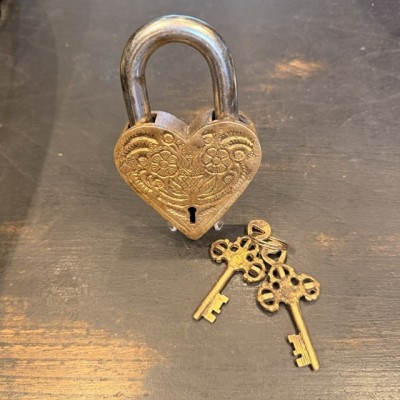
Brass padlock with Flowers - By Maison Boncoeurs
Brass padlock with Flowers
By Maison Boncoeurs
Sold with 2 sets of keys
Price
€45.00
There are 86 products.
Brass padlock with Flowers
By Maison Boncoeurs
Sold with 2 sets of keys
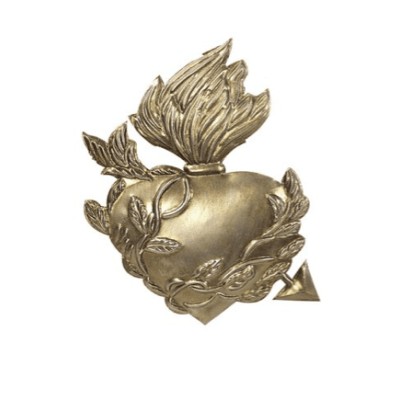
Silver Ex-voto - Votive Offering - Sacred Art - Religious Art by Boncoeurs
An ex-voto (from the Latin ex voto suscepto, “according to the vow made”) is an offering made to a deity or saint in gratitude for a favor received or in request of protection. This offering can take many forms.
These offerings in the form of objects can take many forms and be made from a variety of materials.
Model: Heart arrow
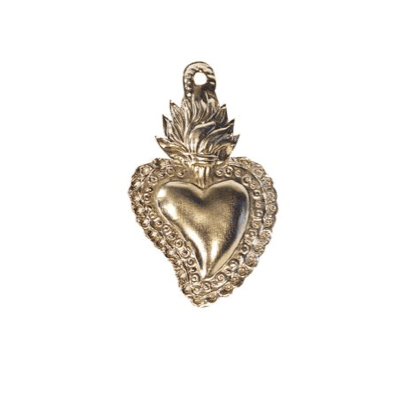
Golden Ex-voto - Votive Offering - Sacred Art - Religious Art by Boncoeurs
An ex-voto (from the Latin ex voto suscepto, “according to the vow made”) is an offering made to a deity or saint in gratitude for a favor received or in request of protection. This offering can take many forms.
These offerings in the form of objects can take many forms and be made from a variety of materials.
Model: MINI Ardent
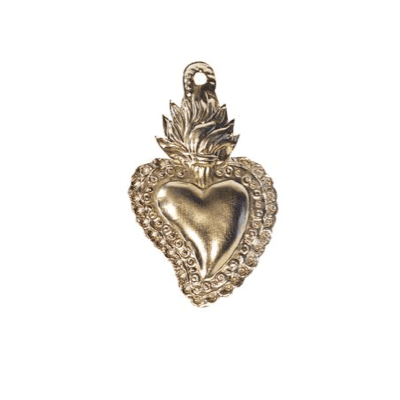
Silver Ex-voto - Votive Offering - Sacred Art - Religious Art by Boncoeurs
An ex-voto (from the Latin ex voto suscepto, “according to the vow made”) is an offering made to a deity or saint in gratitude for a favor received or in request of protection. This offering can take many forms.
These offerings in the form of objects can take many forms and be made from a variety of materials.
Model: MINI Ardent
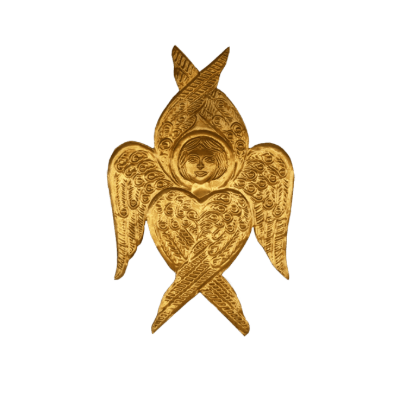
Golden Ex-voto - Votive Offering - Sacred Art - Religious Art by Boncoeurs
An ex-voto (from the Latin ex voto suscepto, “according to the vow made”) is an offering made to a deity or saint in gratitude for a favor received or in request of protection. This offering can take many forms.
These offerings in the form of objects can take many forms and be made from a variety of materials.
Model: Seraphin
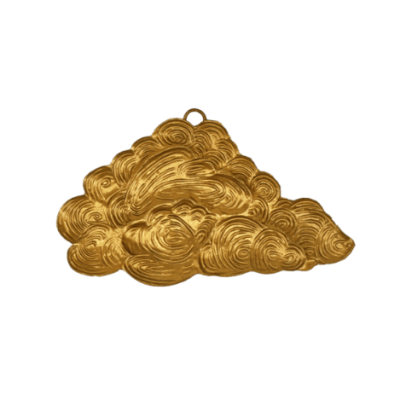
Golden Ex-voto - Votive Offering - Sacred Art - Religious Art by Boncoeurs
An ex-voto (from the Latin ex voto suscepto, “according to the vow made”) is an offering made to a deity or saint in gratitude for a favor received or in request of protection. This offering can take many forms.
These offerings in the form of objects can take many forms and be made from a variety of materials.
Model: Cloud
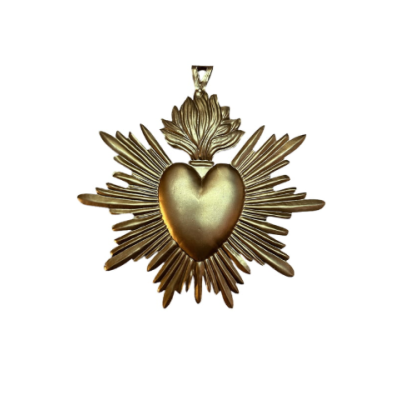
Golden Ex-voto - Votive Offering - Sacred Art - Religious Art by Boncoeurs
An ex-voto (from the Latin ex voto suscepto, “according to the vow made”) is an offering made to a deity or saint in gratitude for a favor received or in request of protection. This offering can take many forms.
These offerings in the form of objects can take many forms and be made from a variety of materials.
Model: Le Sacré
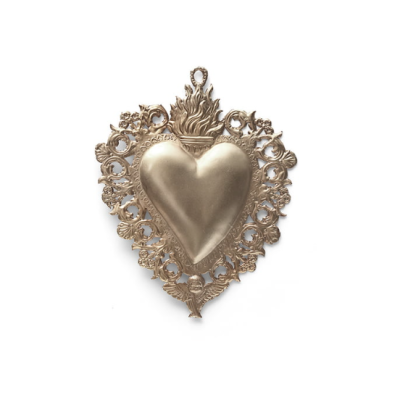
Golden Ex-voto - Votive Offering - Sacred Art - Religious Art by Boncoeurs
An ex-voto (from the Latin ex voto suscepto, “according to the vow made”) is an offering made to a deity or saint in gratitude for a favor received or in request of protection. This offering can take many forms.
These offerings in the form of objects can take many forms and be made from a variety of materials.
Model: Sacred Heart Maria (Large)
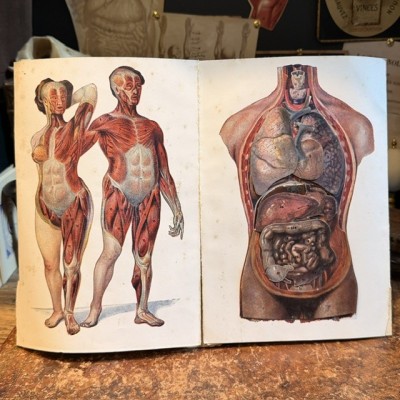
Man and Woman
Anatomy booklet with removable boards
Around 1930's
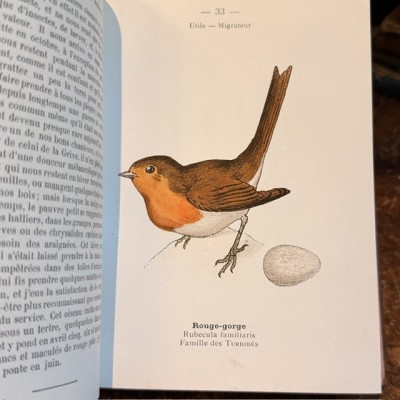
Atlas de poche des Oiseaux De France (Pocket Atlas of the Birds of France)
from Switzerland and Belgium - Useful or Harmful
72 colored plates and 4 black plates representing 70 birds, 28 eggs, and 4 nests
This is not a reissue but the original edition of 1908.
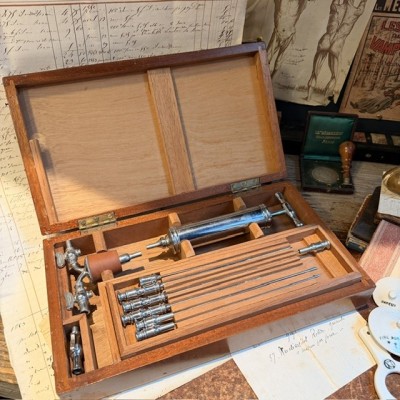
Potain’s Aspirator in its Light Wood Case
Beginning of 20th century
English maker: THACKRAY LEEDS ENGLAND
non-functional
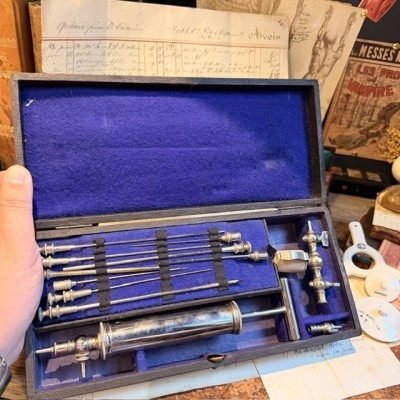
Dr. Potain’s aspirator set in its felt-lined box
Late 19th century, circa 1880
Antique medical instrument maker without manufacturer marking
non-functional
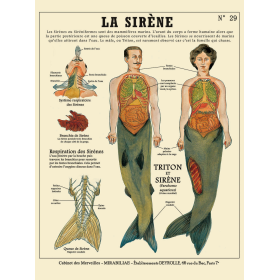
Postcard
Fantastic creatures and Metamorphoses by Camille Renversade
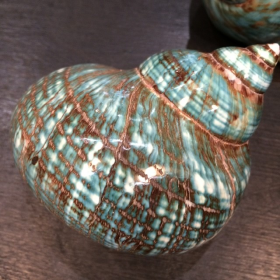
Green turbo (or burgo) from Madagascar - Turbo imperialis
Illustrative photos
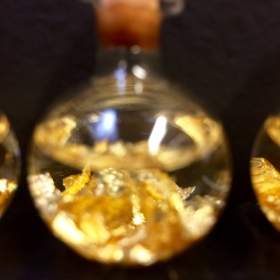
Golden Vial - Vial of 22 carat gold
A glass vial containing fragments of 22-carat gold leaf.
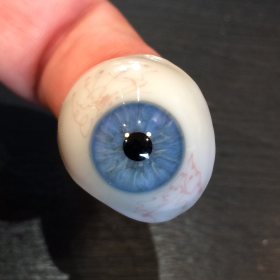
Antique glass eye
Real antique eye prosthesis
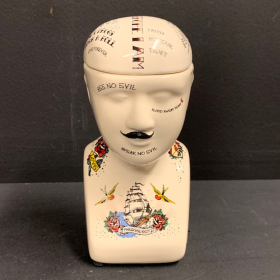
Tatooed phrenology Head - Storage box - Vase
Cute little tattooed and mustachioed head with a removable skull cap that can be used to hide small objects!
It can also be used as a vase.
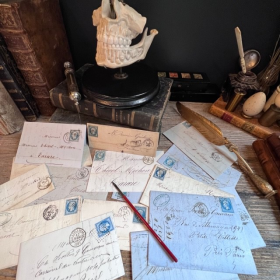
Stamped letter-envelope of the Second Empire
Dated from 1852-1870