
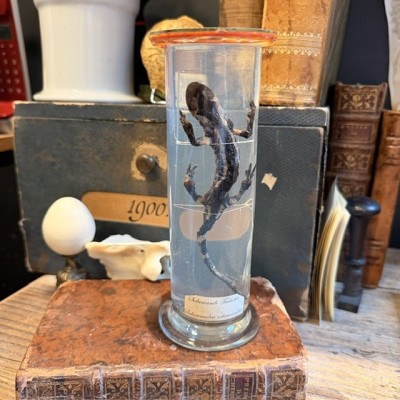
Museum Specimen Tube – Fire Salamander - Salamandra...
Specimen: Fire Salamander - Salamandra salamandra
Museum jar, also known as a Museum specimen tube.
Wet specimen
Natural curiosities and natural history objects from the animal, plant and mineral kingdoms. Fossils, shells, preserved insects and authentic minerals for collectors and nature enthusiasts.
There are 252 products.
Specimen: Fire Salamander - Salamandra salamandra
Museum jar, also known as a Museum specimen tube.
Wet specimen
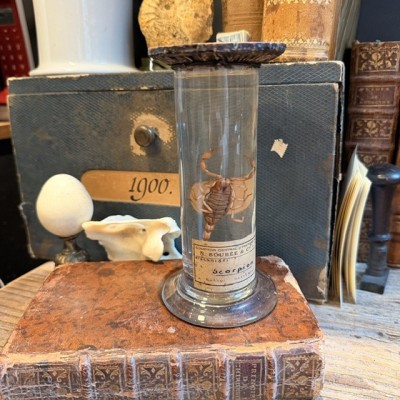
Specimen: Languedoc Scorpion - Buthus occitanus
Museum jar, also known as a Museum specimen tube.
Wet specimen
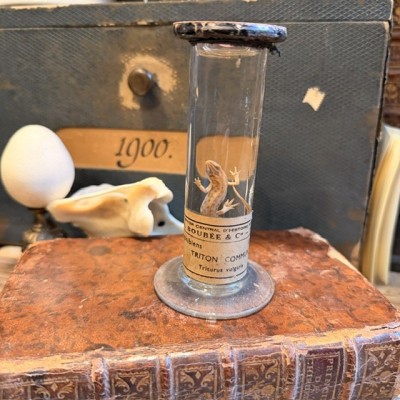
Specimen: Common Newt - Triturus vulgaris
Museum jar, also known as a Museum specimen tube.
Wet specimen
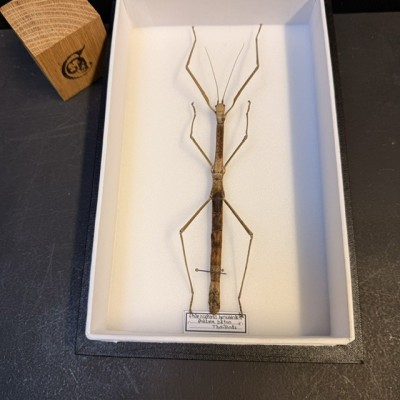
Entomological box
Species: Stick insect - Phaenopharos herwaardeni from Thaïland
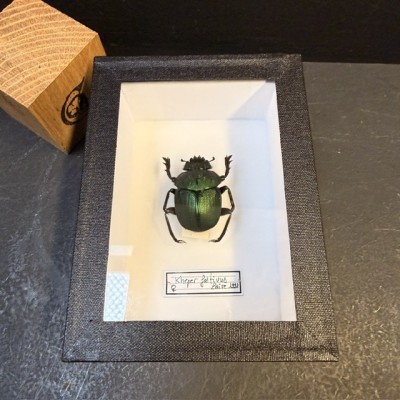
Entomological box
Species: Beetle Kheper festivus from Zaïre of 1991
Dimensions: 9x12cm
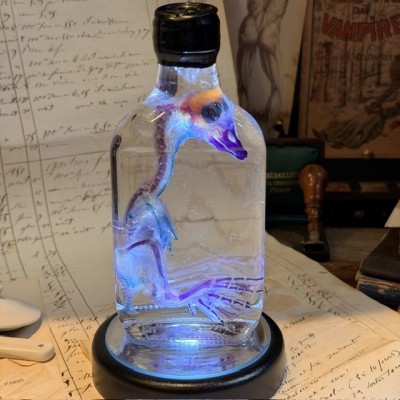
Duckling Diaphanisation - Domestic duck
Anas platyrhynchos domestica
Biological preparation
The purpose of diaphanization is to make transparent, fabrics are made transparent by a chemical process, and specific dyes highlight the skeleton.
You see the bones through the flesh!
It is not a protected species.
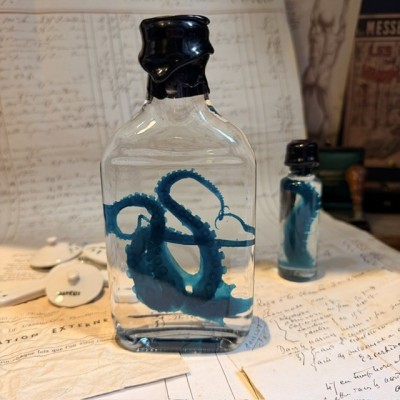
Octopus Tentacle Diaphanisation - Octopus vulgaris
Large Model
Biological preparation
The purpose of diaphanisation is to make fabrics transparent. The fabrics are made transparent using a chemical process, and specific dyes are used.
The flesh is made transparent, and here the dyes will adhere to the skin that has not been removed.
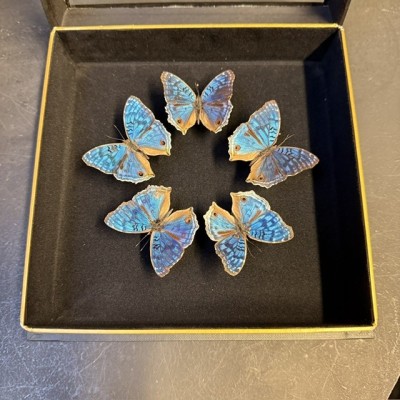
Entomological box
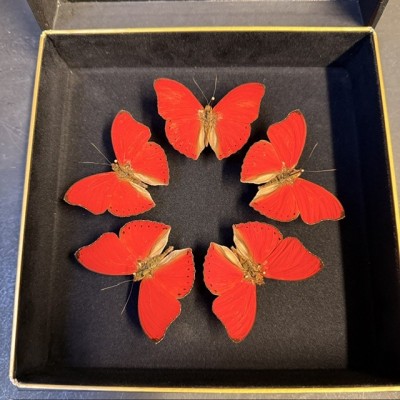
Species: 5 Cymothoe sangaris butterflies from Centrafrica
Entomological box
Dimensions: 18.5x18.5cm
Entomological box
Species: 5 Junonia rhadama butterflies from Madagascar
Entomological box
Dimensions: 18.5x18.5cm
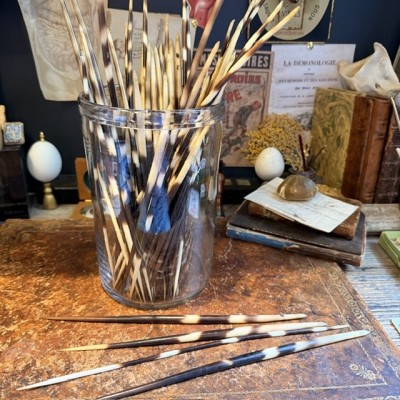
Cape Porcupine peak - Hystrix africaeaustralis
Length from about 18 to 30 cm
Shorter peaks are thicker and more rigid, longer ones are thinner and more flexible.
Provenance: South Africa - CITES Status: Unprotected species, not listed in the CITES: sale and possession free and legal.
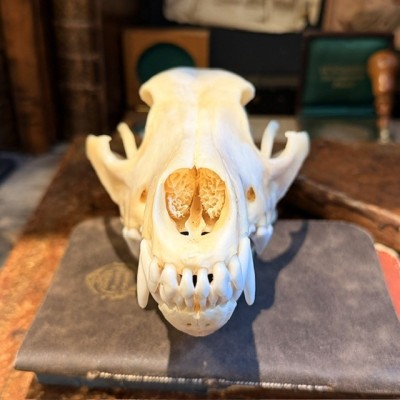
Coyote skull from Canada - Canis latrans
The Coyote is a canine species native to North America.
He is smaller than his close relative, the wolf who is closely related to him, but larger than a jackal.
Variable size, approx. 21-22cm.
They are wild animals that have lived in freedom, so some skulls may have missing teeth or teeth that are worn, cracked or broken.